Close
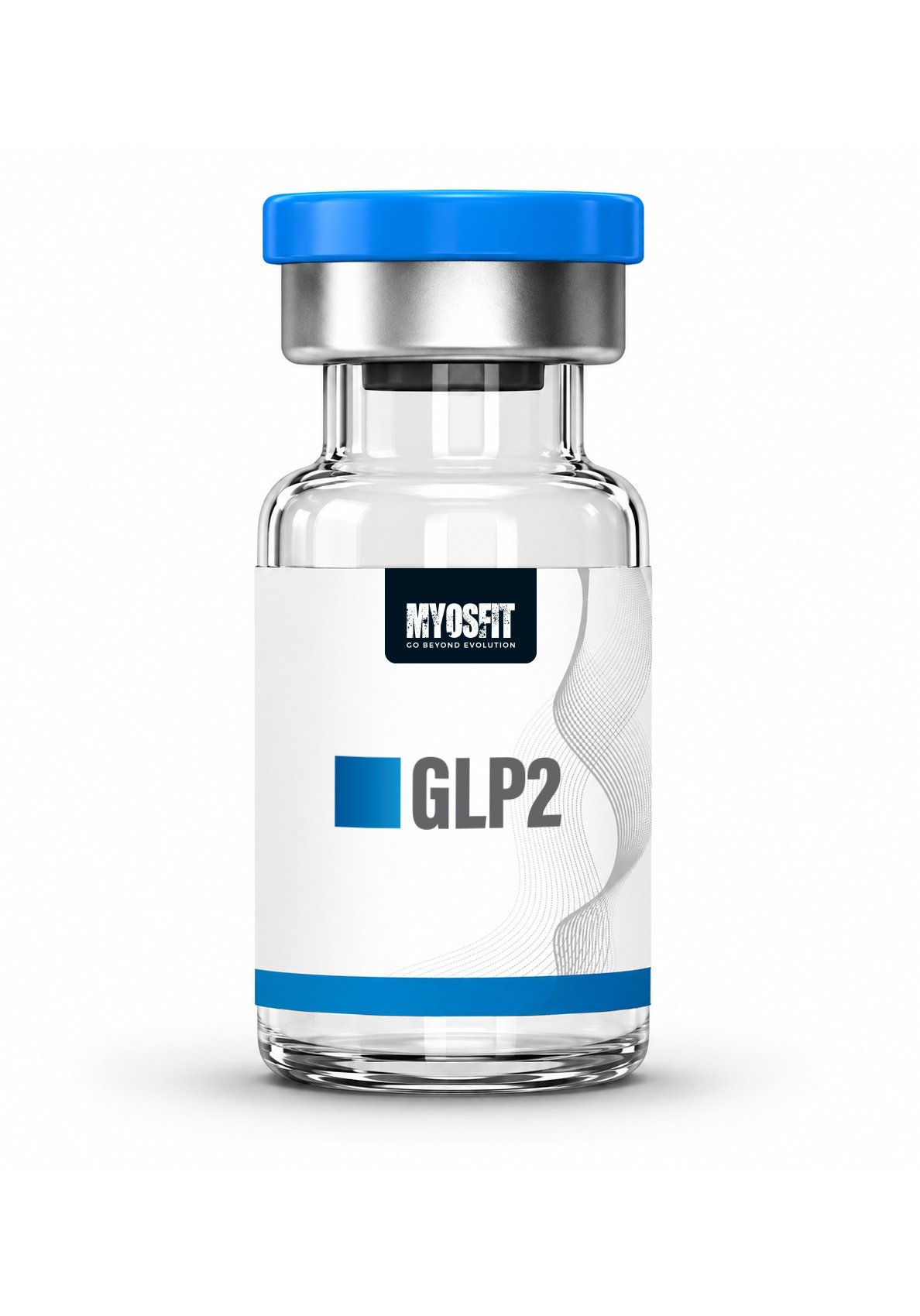
GLP2 is commonly referenced in advanced gastrointestinal and metabolic research related to intestinal barrier function, nutrient absorption, and digestive health. It has been widely studied for its role in supporting intestinal tissue growth, gastrointestinal integrity, and nutrient utilization.

$128.25
AVAILABILITY: IN STOCK
This product is intended for laboratory research purposes only. It is not intended for human or veterinary use, diagnosis, prevention, or treatment of any disease.
GLP2 (Glucagon-Like Peptide-2) is a synthetic peptide studied extensively in laboratory research for its role in gastrointestinal physiology and intestinal function. Research has explored its involvement in supporting intestinal barrier integrity, nutrient absorption, mucosal growth, and digestive system homeostasis. GLP2 continues to be investigated in studies focused on gastrointestinal health and metabolic function.
All products are manufactured in ISO-certified facilities and meet strict quality standards.
Product Name: GLP2
Size: 10 mg
Format: Lyophilized Powder
Category: Gastrointestinal & Metabolic Research Peptides
Intended Use: For Laboratory Research Only
Testing: Third-Party Tested
Storage: Store lyophilized material in a cool, dry place. Refrigerated storage is recommended for long-term stability. Protect from heat, moisture, and direct sunlight.
Return Policy: Refer to Return Policy
Research investigating GLP2's role in maintaining intestinal barrier integrity, supporting epithelial cell growth, and promoting gastrointestinal tissue health in laboratory models.
Studies exploring GLP2's influence on nutrient uptake, digestive efficiency, and intestinal adaptation in preclinical research settings.
Laboratory research examining GLP2's involvement in digestive function, gut homeostasis, and metabolic regulation through gastrointestinal signaling pathways.
Access the Certificate of Analysis for this product.
Sequence: Glucagon-Like Peptide-2 (GLP2)
Molecular Formula: C₁₆₁H₂₅₃N₄₃O₄₉
Molecular Weight: 3767.3 g/mol Appearance: White to off-white lyophilized powder
Purity: Refer to COA
Solubility: Soluble in bacteriostatic water or sterile laboratory-grade water for research applications.
Source: Synthetic Peptide
This product is intended exclusively for laboratory research purposes. It is not intended for human or veterinary use, safety, or diagnostics.
GLP2 (Glucagon-Like Peptide-2) is a synthetic research peptide that mimics the naturally occurring intestinal hormone involved in gastrointestinal physiology. In laboratory settings, GLP2 is widely studied for its influence on intestinal growth, nutrient absorption, digestive system regulation, and gut barrier function. Its unique biological activity has made it an important peptide in gastrointestinal and metabolic research.
Researchers study GLP2 because of its involvement in intestinal tissue maintenance, epithelial cell growth, nutrient absorption, and gastrointestinal homeostasis. Ongoing laboratory investigations continue to explore its biological mechanisms and its role in digestive health, intestinal adaptation, and metabolic signaling pathways.
GLP2 research is commonly associated with:
These research areas continue to expand as scientists investigate the biological functions of GLP2 in laboratory models.
GLP2 has become an important research peptide because it regulates multiple biological processes related to intestinal function and digestive physiology. Its ability to influence gut integrity, nutrient utilization, and gastrointestinal signaling makes it valuable for researchers studying digestive health, metabolic pathways, and peptide-based biological mechanisms.
These four FAQs naturally include high-value search terms such as GLP2, Glucagon-Like Peptide-2, GLP2 research peptide, gastrointestinal research, gut health research, intestinal barrier function, nutrient absorption, and digestive physiology, helping improve SEO without keyword stuffing.
Learn about GLP2 (Glucagon-Like Peptide-2), its biological function, research applications, molecular structure, and why it is widely studied in gastrointestinal and metabolic research.
Discover what peptides are and how they are used in scientific research, cellular signaling, and metabolic studies.