Close
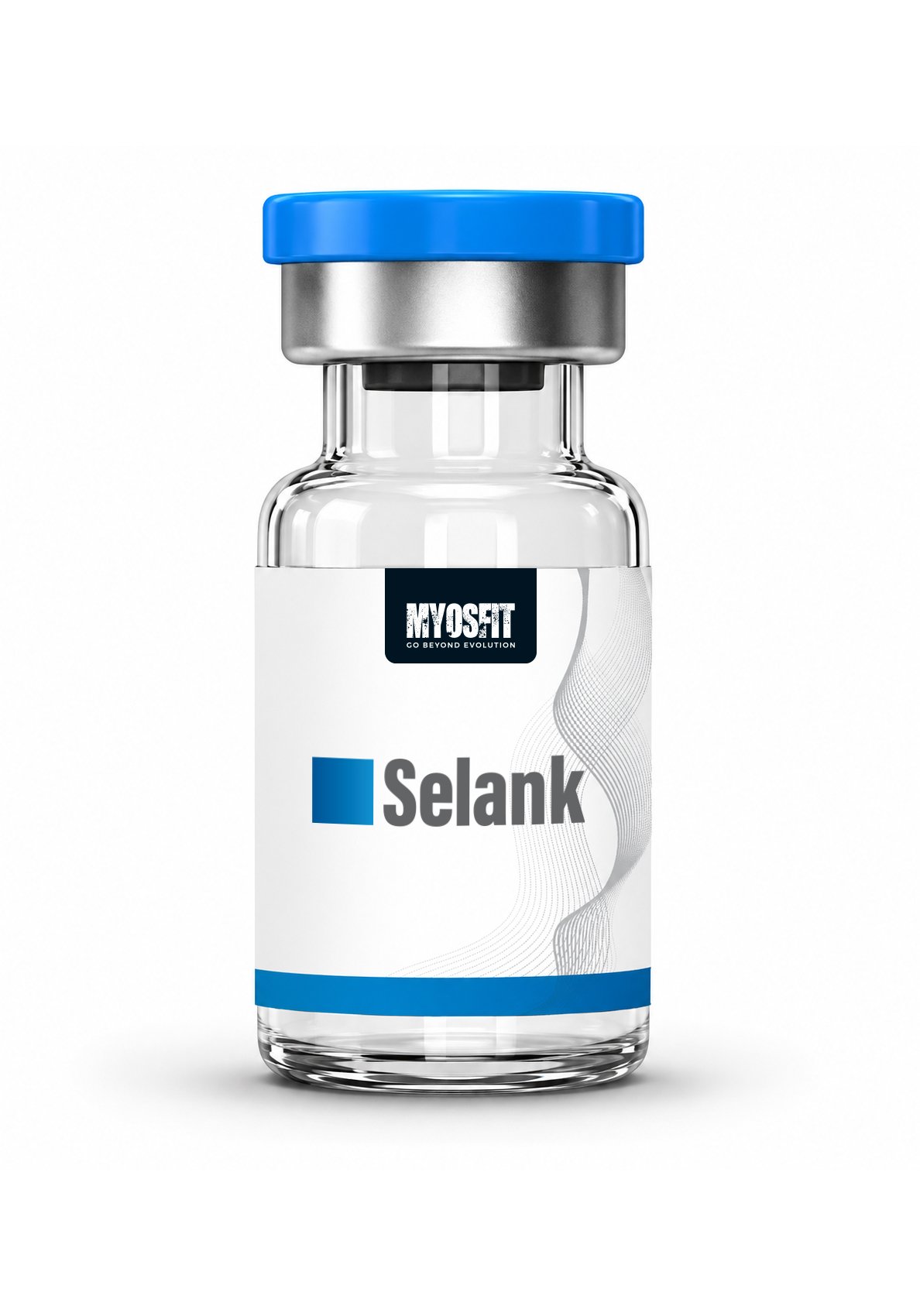
Selank is a synthetic research peptide commonly referenced in studies involving tuftsin-related peptide pathways, neuropeptide signaling, regulatory peptide activity, and immune-response models. Because Selank is structurally related to tuftsin, researchers study it as part of broader work on short-chain peptides and their role in biological signaling systems.

$68.50
AVAILABILITY: IN STOCK
This product is intended for laboratory research purposes only. It is not intended for human or veterinary use, diagnosis, prevention, or treatment of any disease.
Selank is a research peptide commonly associated with tuftsin analog research and neuropeptide pathway studies. It is frequently referenced in laboratory literature as a synthetic peptide analog related to the endogenous tetrapeptide tuftsin, with research interest focused on regulatory peptide mechanisms, immune-response models, neuropeptide signaling, and peptide-related molecular activity.
In controlled research settings, Selank may be used to evaluate regulatory peptide pathway interaction, receptor-response behavior, and molecular signaling connected to tuftsin-derived peptide structures. Its research relevance is centered on how short-chain peptide analogs may be studied within neurological, immune-signaling, and regulatory peptide models.
This material is intended for laboratory research purposes only. It is not intended for human or veterinary use, diagnosis, treatment, prevention, or consumption.
All products are manufactured in ISO-certified facilities and meet strict quality standards.
Product Name: Selank Research Peptide
Compound Reference: Selank / Tuftsin Analog
Size: 10 mg
Format: Lyophilized powder
Category: Cognitive & Neurological Pathway Research
Research Focus: Tuftsin analogs, neuropeptide signaling, regulatory peptide pathways, immune-response models, and peptide-related receptor activity
Intended Use: Laboratory Research Only
Testing: Third-Party Tested
Storage: Store according to label and COA guidance
Returns: Refer to return policy
Referenced in research models involving tuftsin-derived peptide structures, analog design, and regulatory peptide pathway interaction.
Studied in laboratory models related to neuropeptide pathway activity, regulatory signaling, and molecular response behavior.
Used in research involving immune-signaling pathways, regulatory peptide mechanisms, and peptide-related biological activity.
Access the Certificate of Analysis for this product.
Sequence: Thr-Lys-Pro-Arg-Pro-Gly-Pro
Short Sequence: TKPRPGP
Molecular Formula: C33H57N11O9
Molecular Weight: 751.87 g/mol
CAS Number: 129954-34-3
Appearance: Lyophilized powder
Purity: Refer to COA
Solubility: Research solvent dependent
Source: Synthetic peptide
This product is intended exclusively for laboratory research purposes. It is not intended for human or veterinary use, safety, or diagnostics.
Selank is a synthetic research peptide commonly referenced as a tuftsin analog and studied in laboratory research involving neuropeptide signaling, regulatory peptide pathways, immune-response models, and peptide-related molecular activity.
Selank is studied because of its relationship to tuftsin-derived peptide structures, neuropeptide signaling models, immune-response research, regulatory peptide pathways, and molecular signaling behavior in controlled laboratory settings.
Selank is commonly referenced as a synthetic tuftsin analog and may be described in research literature by the short sequence TKPRPGP or the amino acid sequence Thr-Lys-Pro-Arg-Pro-Gly-Pro.
Selank is commonly associated with research on tuftsin analogs, neuropeptide signaling, regulatory peptide pathways, immune-response models, and peptide-related molecular activity.
Review the basic structure of peptides, how amino acid chains are defined, and how peptides are studied in laboratory research models.
Explore research areas, published literature, tuftsin analogs, neuropeptide signaling, and regulatory peptide pathway research associated with Selank.