Close
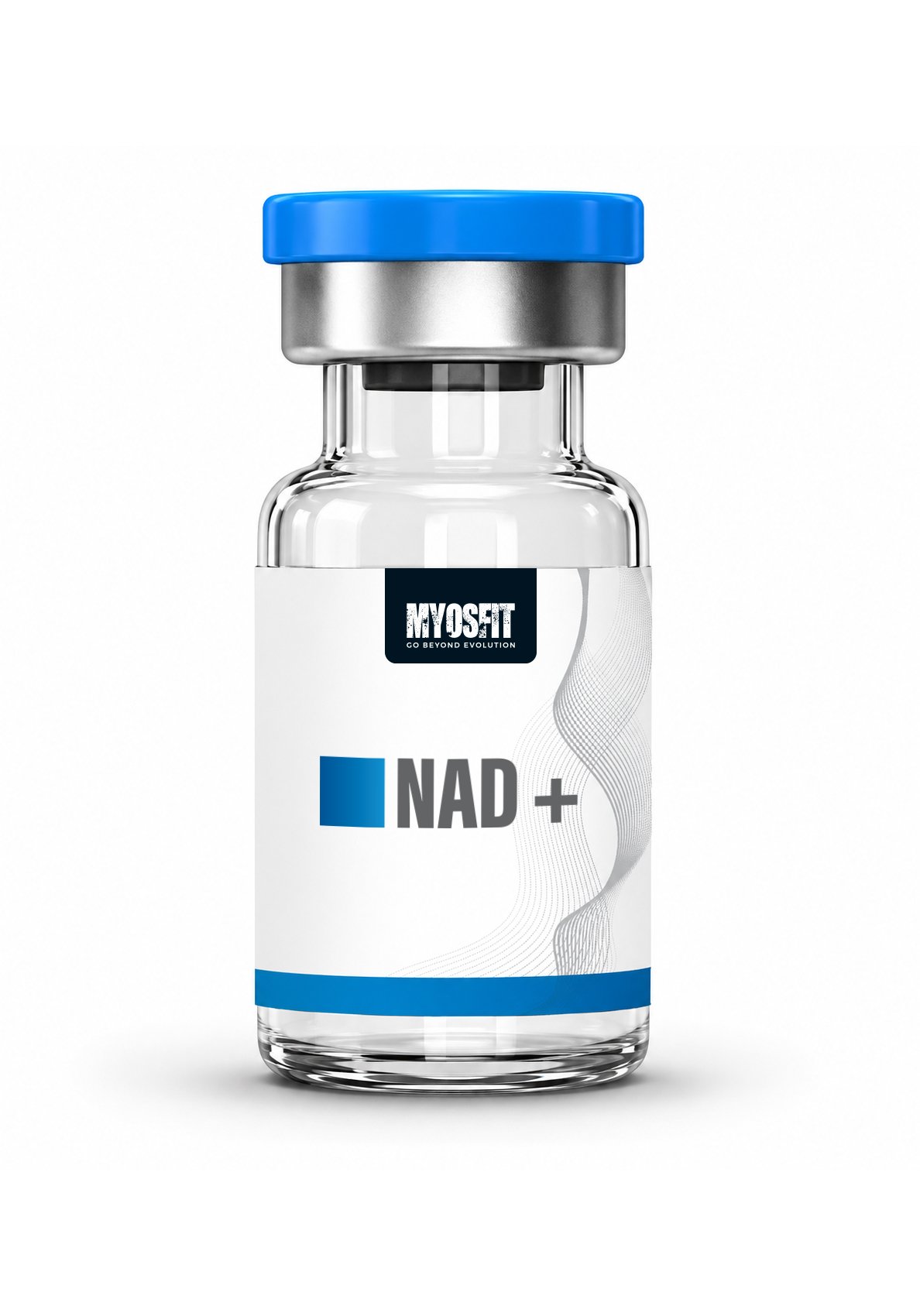
NAD+ is a research compound commonly studied in laboratory settings for its role in cellular energy metabolism, mitochondrial function, redox balance, and enzyme-regulated signaling pathways. This material is supplied strictly for laboratory research purposes only and is not intended for human or veterinary use.

$67.45
AVAILABILITY: IN STOCK
This product is intended for laboratory research purposes only. It is not intended for human or veterinary use, diagnosis, prevention, or treatment of any disease.
Cellular Energy Metabolism
Studied in laboratory models involving cellular energy pathways and biochemical energy-transfer processes.
Mitochondrial Function Research
Used in research contexts related to mitochondrial activity, cellular respiration, and metabolic pathway studies.
Redox Balance & Enzyme Signaling
Referenced in studies involving oxidation-reduction reactions, enzyme-regulated signaling, and cellular stress-response models.
All products are manufactured in ISO-certified facilities and meet strict quality standards.
Product Name: NAD+ Research Compound
Size: 500 mg
Format: Lyophilized powder
Category: Cellular Energy Research
Intended Use: Use: For Laboratory Research Only
Testing: Third-Party Tested
Storage: Store lyophilized material in a cool, dry place. Refrigerated storage is commonly used for long-term stability. Protect from heat and direct light.
Studied for its role as a coenzyme in redox reactions and energy-transfer processes involved in cellular metabolism.
Referenced in research involving mitochondrial energy production, electron transport activity, and cellular respiration pathways.
Studied in relation to oxidation-reduction balance and NAD+-dependent enzymes such as sirtuins, PARPs, CD38, and related signaling pathways.
Access batch-specific Certificate of Analysis documentation for NAD+ when available.
Sequence: Not applicable; NAD+ is a dinucleotide coenzyme. Molecular Formula: C₂₁H₂₇N₇O₁₄P₂
Molecular Weight: 663.43 g/mol
Appearance: White to off-white lyophilized powder Purity: Refer to batch-specific COA
Solubility: Soluble in water for laboratory preparation; refer to product documentation or batch-specific COA
Source : Soluble in water for laboratory preparation; refer to product documentation or batch-specific COA
This product is intended exclusively for laboratory research purposes. It is not intended for human or veterinary use, safety, or diagnostics.
1. What is NAD+
NAD+, or nicotinamide adenine dinucleotide, is a research compound studied for its role in cellular energy metabolism, redox balance, mitochondrial function, and enzyme-regulated signaling pathways.
2.Why is NAD+ studied in cellular energy research?
NAD+ is studied because it plays an important role in redox reactions, mitochondrial function, and enzyme-regulated signaling pathways involved in cellular energy processes. In laboratory models, researchers evaluate how NAD+ relates to energy transfer, cellular metabolism, and biochemical signaling. How should [PRODUCT NAME] be stored?
Store according to the product documentation and standard laboratory handling practices.
3. What research areas are commonly associated with NAD+?
NAD+ is commonly referenced in studies involving cellular metabolism, mitochondrial activity, oxidative stress, redox balance, sirtuin signaling, PARP activity, CD38 activity, and cellular repair mechanisms. These areas make NAD+ a frequent subject in metabolic and mitochondrial research.
4.How is NAD+ connected to mitochondrial research?
NAD+ is involved in oxidation-reduction reactions that support cellular respiration and energy-transfer processes. Because mitochondria are central to energy production, NAD+ is frequently evaluated in studies related to mitochondrial function and metabolic activity.
Learn the basic research context, structure, and laboratory relevance of peptides in scientific studies.
Learn the difference between peptide structure, hormone function, peptide hormones, and endocrine signaling research.