Close
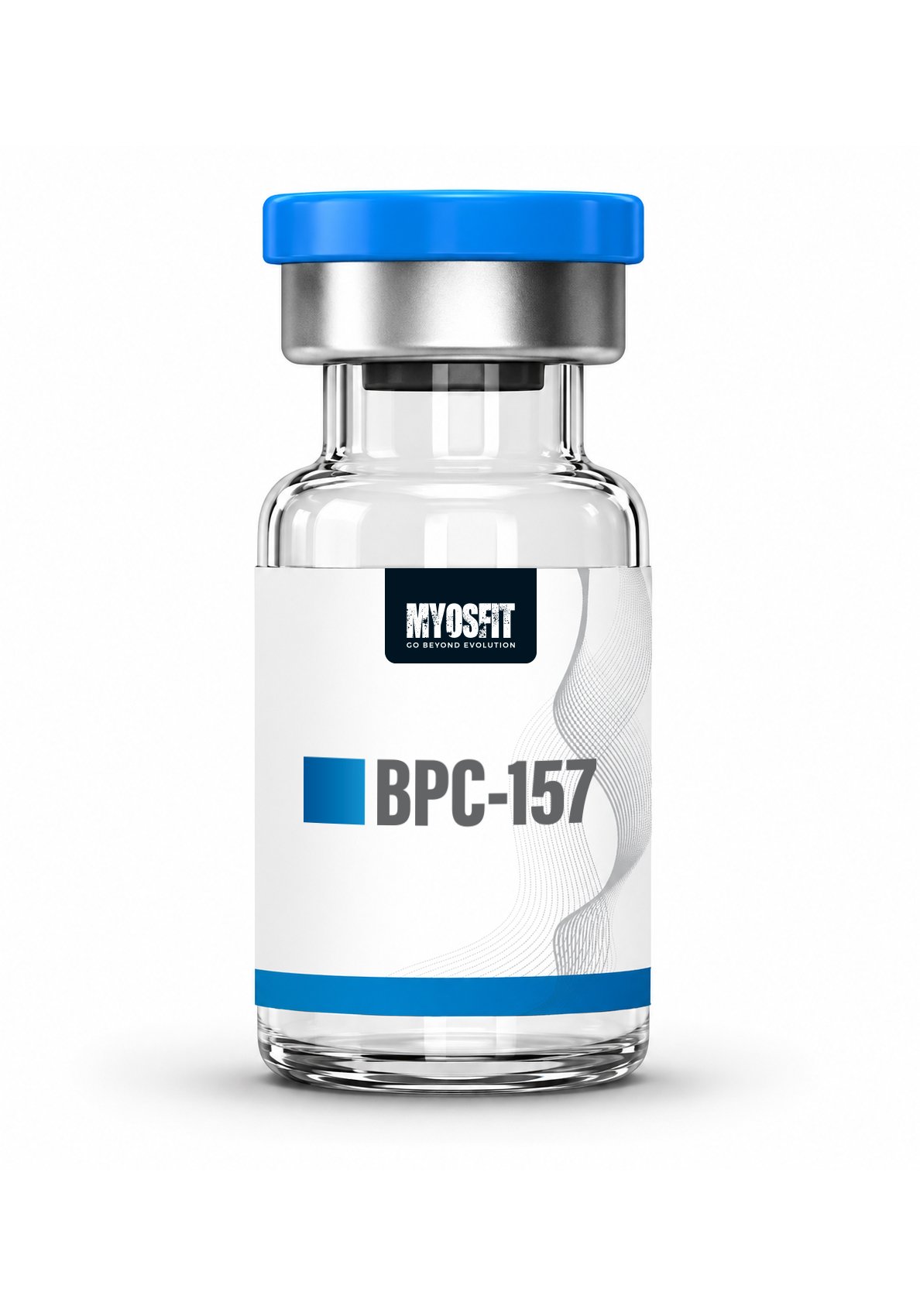
BPC-157 is a synthetic research peptide widely studied in laboratory settings for its role in cellular signaling and biological response pathways. It is commonly referenced in scientific research focused on tissue interaction, gastrointestinal function, and cellular communication mechanisms.
Research continues to explore BPC-157’s potential involvement in complex biological processes, including angiogenesis, cellular repair signaling, and tissue adaptation in preclinical models.

$65.25
AVAILABILITY: IN STOCK
This product is intended for laboratory research purposes only. It is not intended for human or veterinary use, diagnosis, prevention, or treatment of any disease.
BPC-157 is a synthetic peptide fragment derived from a naturally occurring protein sequence and is widely studied in preclinical research. It is commonly investigated for its relationship to cellular signaling pathways, tissue response mechanisms, and gastrointestinal system regulation.
All products are manufactured in ISO-certified facilities and meet strict quality standards.
Product Name: BPC-157
Size: 10 mg
Format: Lyophilized powder
Category: [CATEGORY NAME]
Intended Use: For Laboratory Research Only
Testing: Third-Party Tested
Storage: Store lyophilized material in a cool, dry place. Refrigeration recommended for long-term stability. Avoid heat, moisture, and direct sunlight.
Return: Refer to Return Policy
Studies exploring how BPC-157 interacts with cellular communication pathways involved in tissue response and biological adaptation.
Research examining its role in digestive system function, gastrointestinal integrity, and mucosal biological processes in preclinical models.
Laboratory studies investigating blood vessel formation, tissue repair signaling, and vascular response mechanisms
Access the Certificate of Analysis for this product.
Sequence: Gly-Glu-Pro-Pro-Pro-Gly-Lys-Pro-Ala-Asp-Asp-Ala-Gly-Leu-Val
Molecular Formula: C62H98N16O22
Molecular Weight: 1419.6 g/mol
Appearance: White to off-white lyophilized powder
Purity: Refer to COA
Solubility: Soluble in bacteriostatic or sterile research-grade water
Source: Synthetic peptide
This product is intended exclusively for laboratory research purposes. It is not intended for human or veterinary use, safety, or diagnostics.
BPC-157 is a synthetic research peptide studied in laboratory settings for its role in cellular signaling, tissue response mechanisms, and biological repair processes. It is widely referenced in preclinical research involving gastrointestinal and cellular communication pathways.
BPC-157 is researched due to its potential involvement in multiple biological processes, including cellular communication, tissue adaptation, and physiological response mechanisms. Scientists study it in laboratory models to better understand how peptides influence complex biological systems.
BPC-157 is commonly studied in:
BPC-157 is considered important in laboratory research because it interacts with multiple biological systems. This makes it useful for studying peptide signaling, tissue response, and cellular adaptation in preclinical models.
Discover why peptides are one of the most studied topics in modern laboratory research.
Discover why this peptide is drawing significant attention in preclinical research studies.